Celebrating 20 Years of Gmail: A Revolutionary Email Journey
Twenty years of Gmail: the 2004 launch with 1 GB of storage, the features that changed email, and what the service looks like in 2024


On 1 April 2004 Google opened an invitation-only email service with a gigabyte of free storage, at a time when Hotmail gave you two megabytes and Yahoo four. The date made half the internet assume it was a joke. Twenty years later Gmail is the default inbox for well over a billion people, and most of what we expect from email, search, conversations, spam that actually gets caught, came from it. This is the short history.
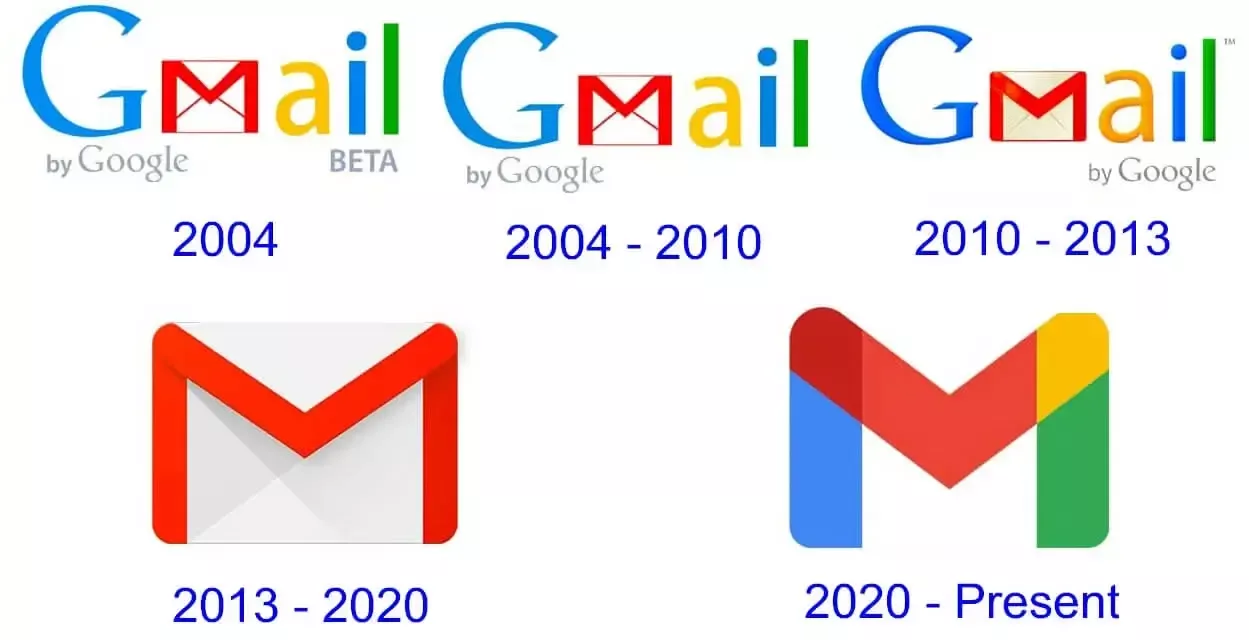
A side project with 300 old machines
Gmail was built by Paul Buchheit, who had been working on a web email client inside Google since 2001. It launched in a limited beta because the company could not host more. "When we launched, we only had 300 machines and they were really old machines that no one else wanted," Buchheit said later. "We only had enough capacity for 10,000 users, which is a little absurd." Invitations became a currency: people sold them on eBay in the first weeks.
The April Fools' problem
Google announced Gmail with a press release on 31 March 2004 and opened it the next morning. The timing, the storage figure and Google's habit of April pranks made journalists and readers doubt it was real. The storage was the point: a gigabyte meant you never had to delete anything, and that made search, Google's actual strength, the way to find mail instead of folders. Conversations grouped as threads were the second idea nobody else had shipped. Both are now so standard that it is hard to remember email without them.
Twenty years in milestones
- 2004: launch with 1 GB, threaded conversations and search; the first mainstream web app built on what would later be called Ajax.
- 2005: storage doubled to 2 GB on the first anniversary, then kept growing with a live counter on the login page.
- 2006: Google Talk chat inside the inbox; Gmail available in 40 languages.
- 2007: open sign-up worldwide, no invitation needed; IMAP support in October.
- 2009: the "beta" label finally removed, five years after launch.
- 2013: the tabbed inbox, with Primary, Social and Promotions separating newsletters from people.
- 2018: a full redesign, confidential mode, and Smart Compose finishing your sentences, the first machine-learning feature most users noticed.
- 2020: Gmail becomes the hub of Google Workspace, with Chat, Meet and Docs inside the same window.
- 2024: Gemini arrives in Gmail, summarizing threads, drafting replies and answering questions about your inbox from a side panel.
What it changed
Three things, mostly. It made storage a non-issue, which killed the folder-and-delete habit and made search the interface. It proved that a serious application could run in a browser, which is the origin of the web-app era that followed. And it made spam filtering a problem solved centrally with machine learning, so well that most people stopped thinking about spam at all. Everything built since, from the tabs to Smart Compose to Gemini, is Google applying its models to the same inbox.
Where it is in 2024
Google reported 1.8 billion active Gmail users in 2023, which makes it the largest email service in the world by a wide margin. Storage is 15 GB shared across Google services on free accounts, the mobile apps are where most mail is read, and AI is the current frontier: Gemini can now write, summarize and search for you. Whether that is a convenience or a privacy question depends on who you ask, which is the same debate Gmail started in 2004, when it first read your mail to show you ads.
What I take from it
Gmail is the best example I know of a product winning on one audacious constraint. One gigabyte was not a feature, it was a decision about what email should feel like, and every other decision followed from it. Twenty years on, that is still the way to think about a product: pick the constraint that changes the user's behaviour, then build everything around it.
Frequently asked questions
When was Gmail created?
Gmail launched on April 1, 2004, as an invitation only beta, and it celebrated its 20th anniversary in 2024.
Who created Gmail?
Gmail was created by Google engineer Paul Buchheit, who led its development before the 2004 launch.
Why did people think Gmail was an April Fools joke?
Gmail launched on April 1, 2004, and offered 1 gigabyte of free storage when rival services offered only a few megabytes, so many people assumed the announcement was an April Fools prank. It was real.
How much storage did Gmail offer at launch?
Gmail launched with 1 gigabyte of free storage per user, which was roughly 500 times more than most competing free email services at the time.
How many users could Gmail support at launch?
At launch Gmail could support only about 10,000 users because Google ran it on just 300 older machines, which is why access was invitation only.