My experience at Google I/O Connect Berlin 2024
What I saw at Google I/O Connect Berlin 2024: Web AI and PWA sessions, office hours with the Chrome team, and the Tunisian and MENA community on site.


On 27 June 2024 I flew from Sousse 🇹🇳 to Berlin 🇩🇪 for Google I/O Connect, the one-day, invite-only edition of Google I/O for developers from Europe, the Middle East and Africa. I went for the sessions and came back with something more useful: the names and faces of the people who ship Chrome, and a group of Tunisian developers I now share a WhatsApp thread with. This is what the day looked like.
Getting there
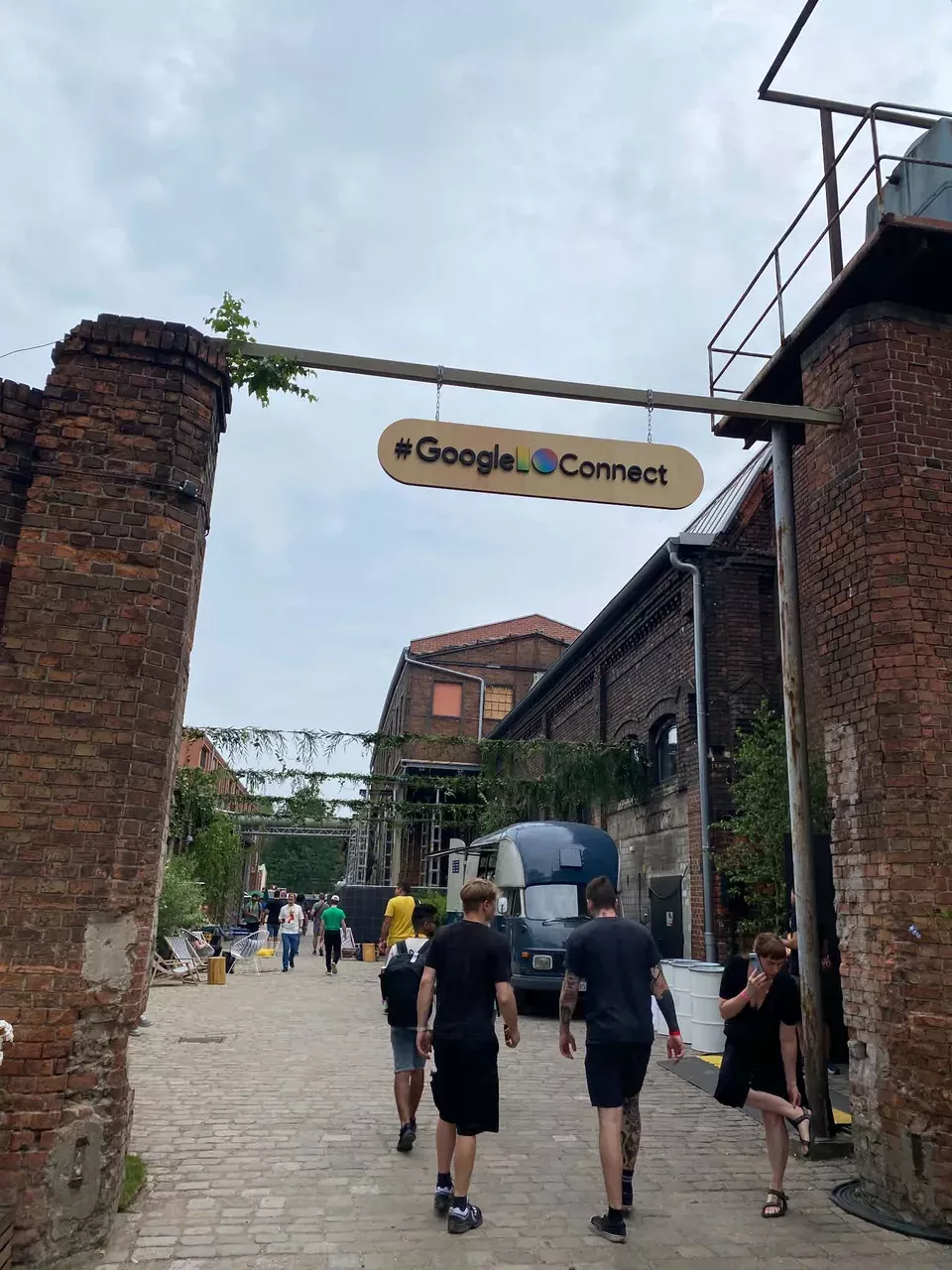
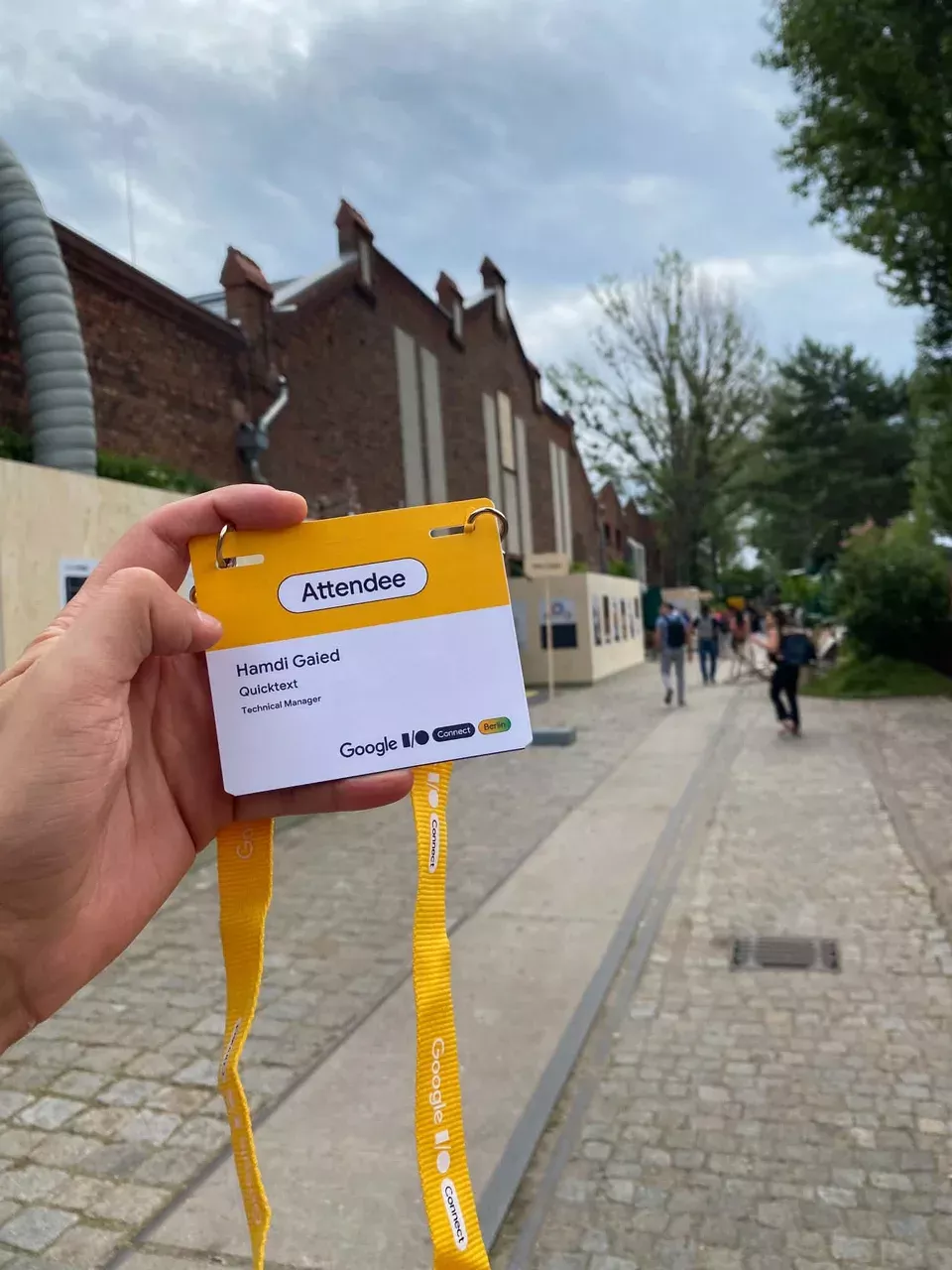
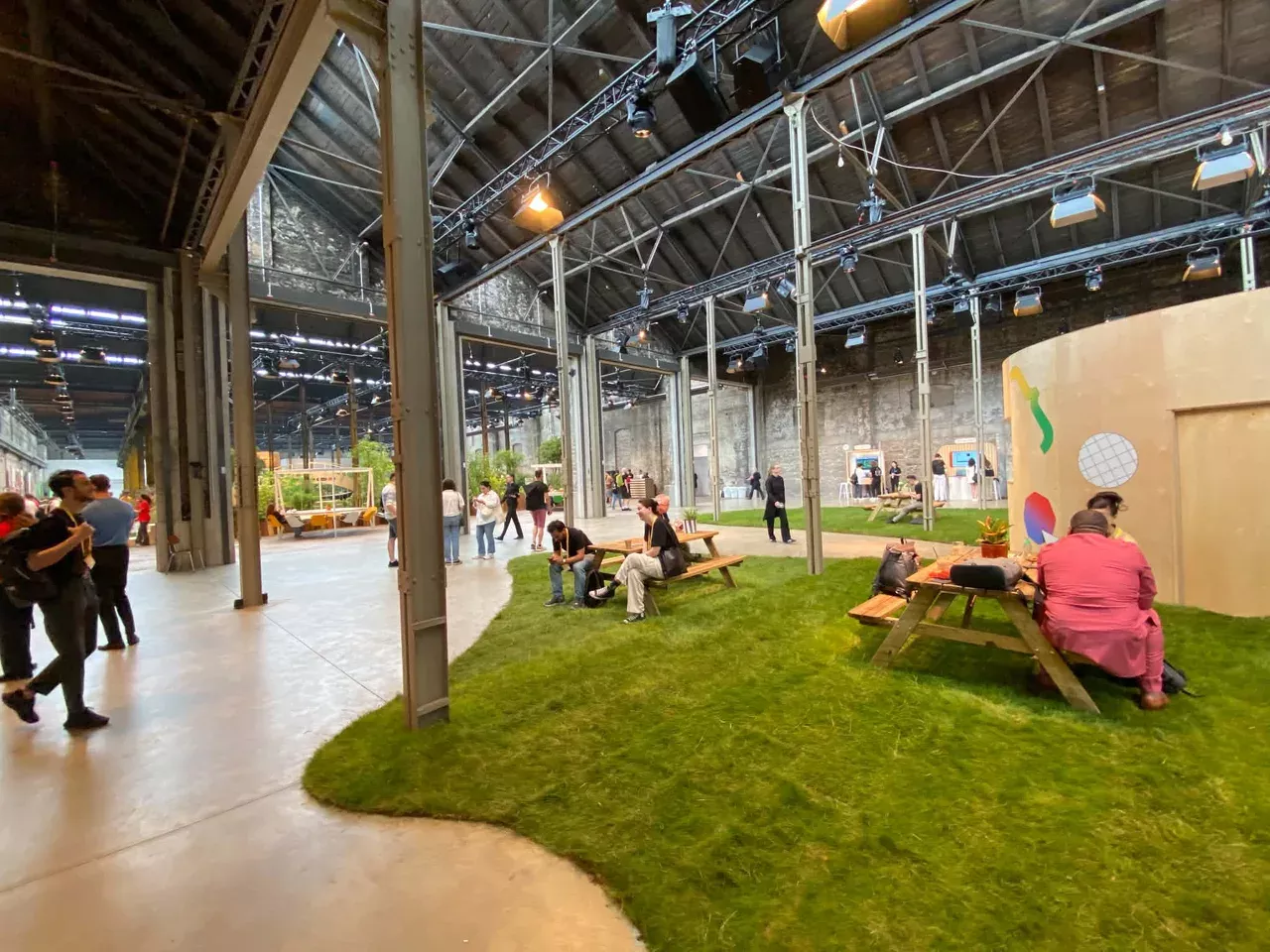
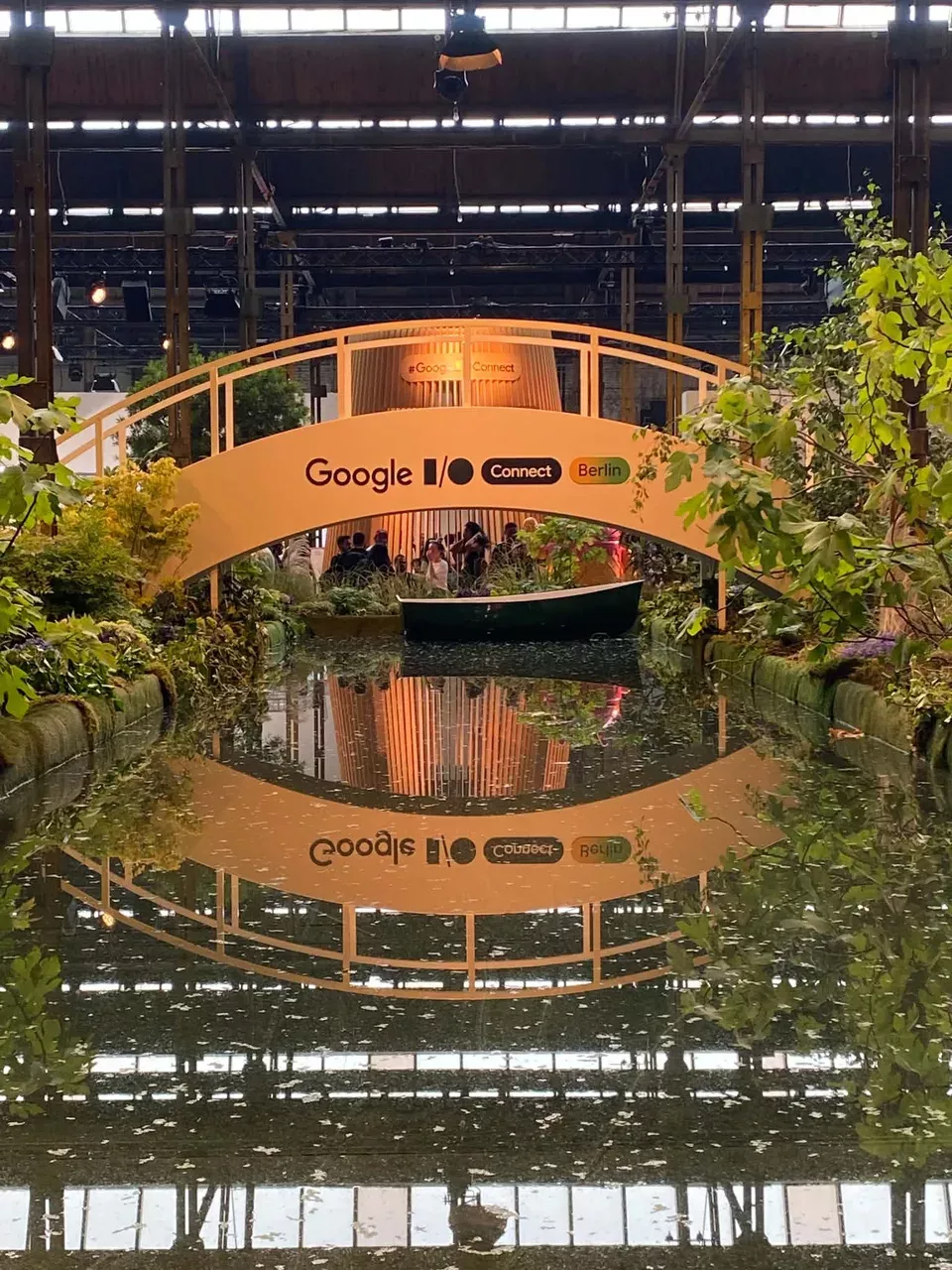
The invitation arrived months earlier, with the warning that Euro 2024 was happening in Germany at the same time and hotels would fill up fast. They did. A visa appointment, a refundable room booked early, and I was walking down a brick alley under a #GoogleIOConnect sign with a yellow lanyard around my neck. The venue was an old industrial site turned into a campus for the day: a keynote hall, a web stage, demo booths in the brick corridors, and a lawn with picnic benches in the middle of the main hall.
The keynote
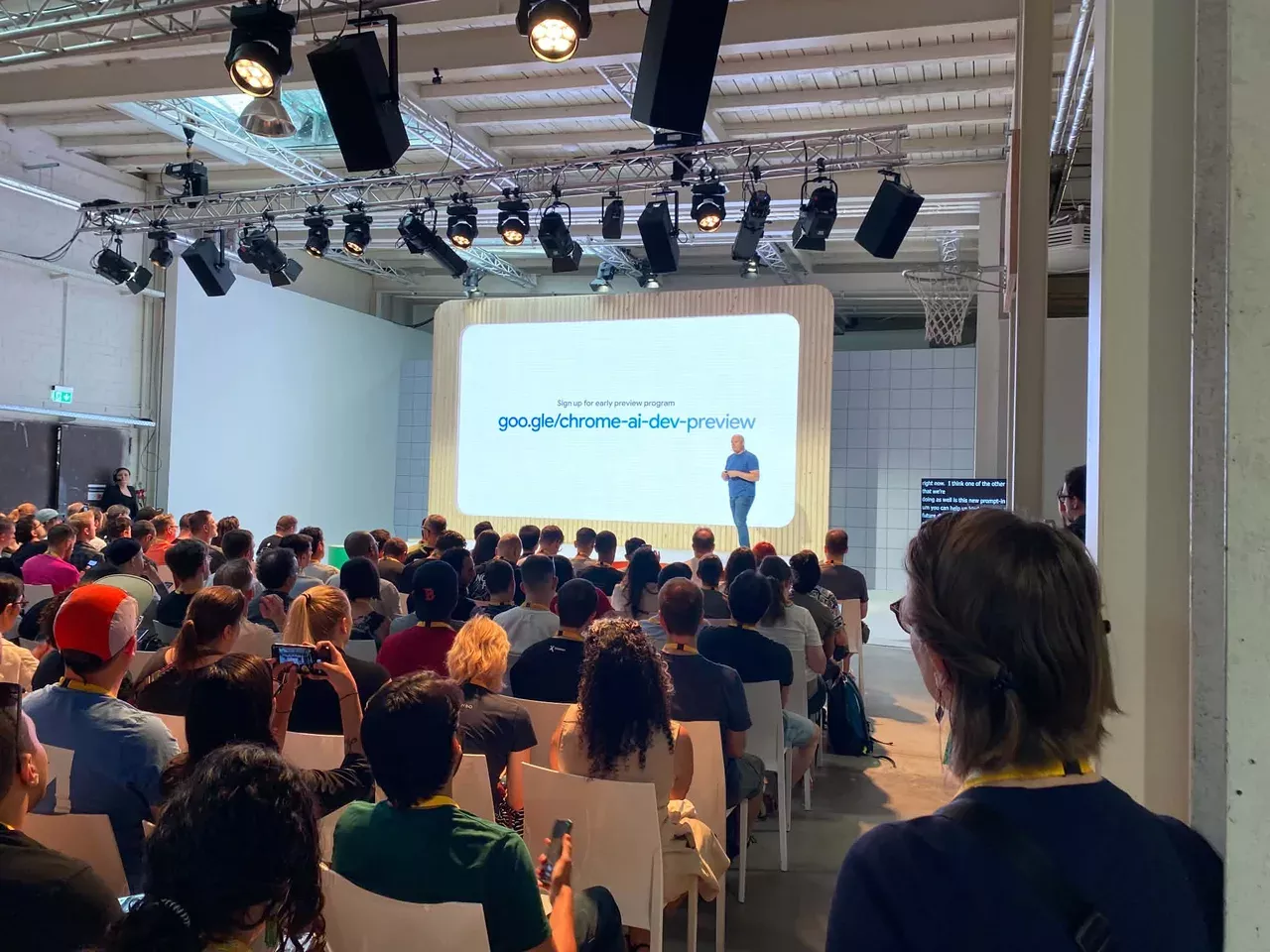
The keynote picked up where Google I/O had left off a month earlier. The slide that stayed with me was the Chrome AI dev preview: a language model built into the browser, callable from JavaScript, no server round trip. At the time it was an experimental flag; within a year it had become the Prompt API with its own origin trial. Seeing it announced to a room of a few hundred developers, with the engineers who built it standing at a booth fifty metres away, is a different experience from reading a blog post about it.
Next-gen Web AI
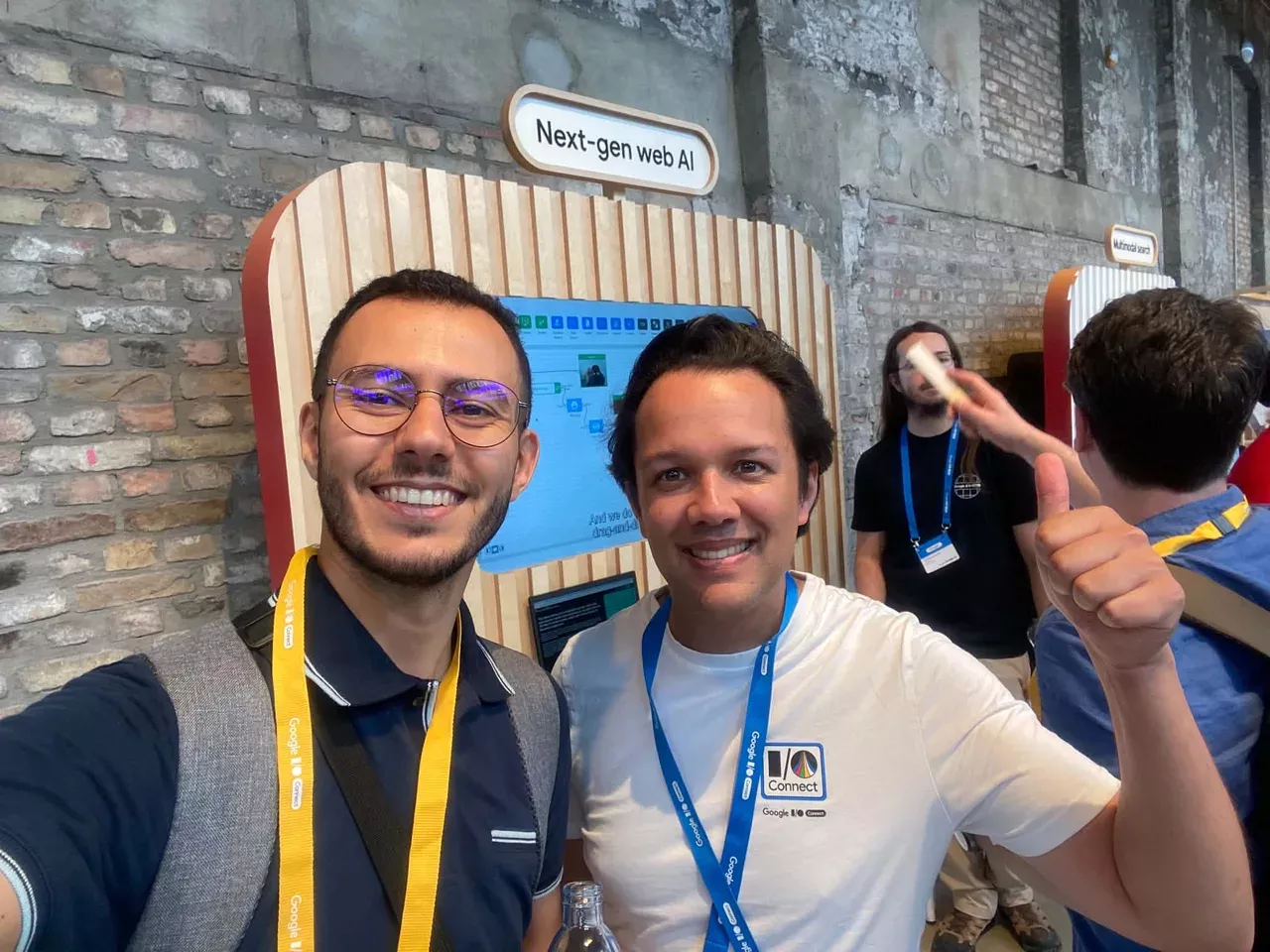
The Web AI booth was run by Jason Mayes, Web AI Lead at Google, with Matthew Soulanille. The demo was simple and convincing: a model running entirely in the browser, detecting faces from the webcam with no data leaving the machine. We talked about what that means for products that handle customer conversations, where sending everything to a server is a cost and a privacy question at the same time. I left with a clear picture of which parts of an AI feature belong on the client and which do not, and that distinction has shaped how my team scopes AI work since.
Web apps and the web stage
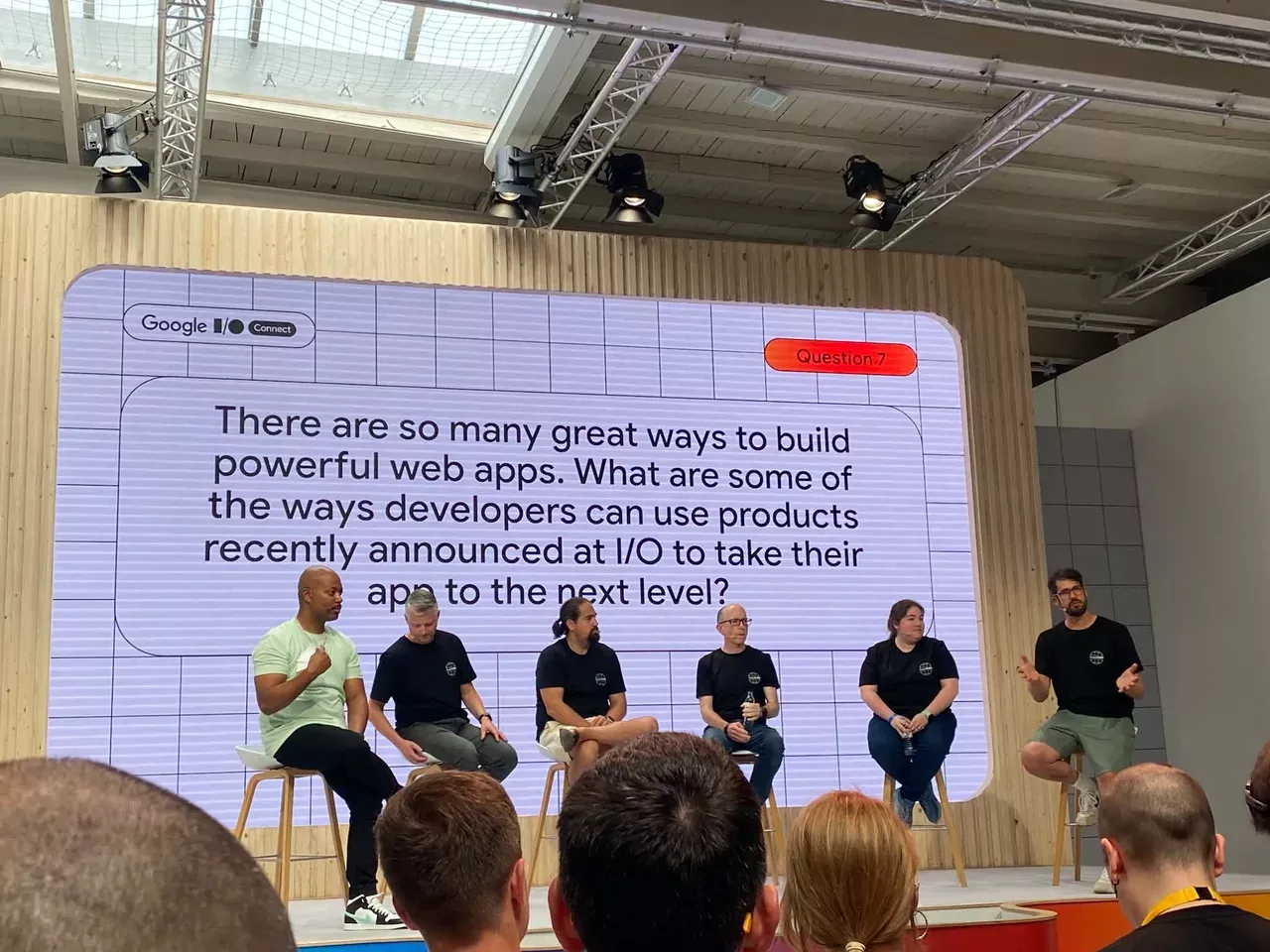
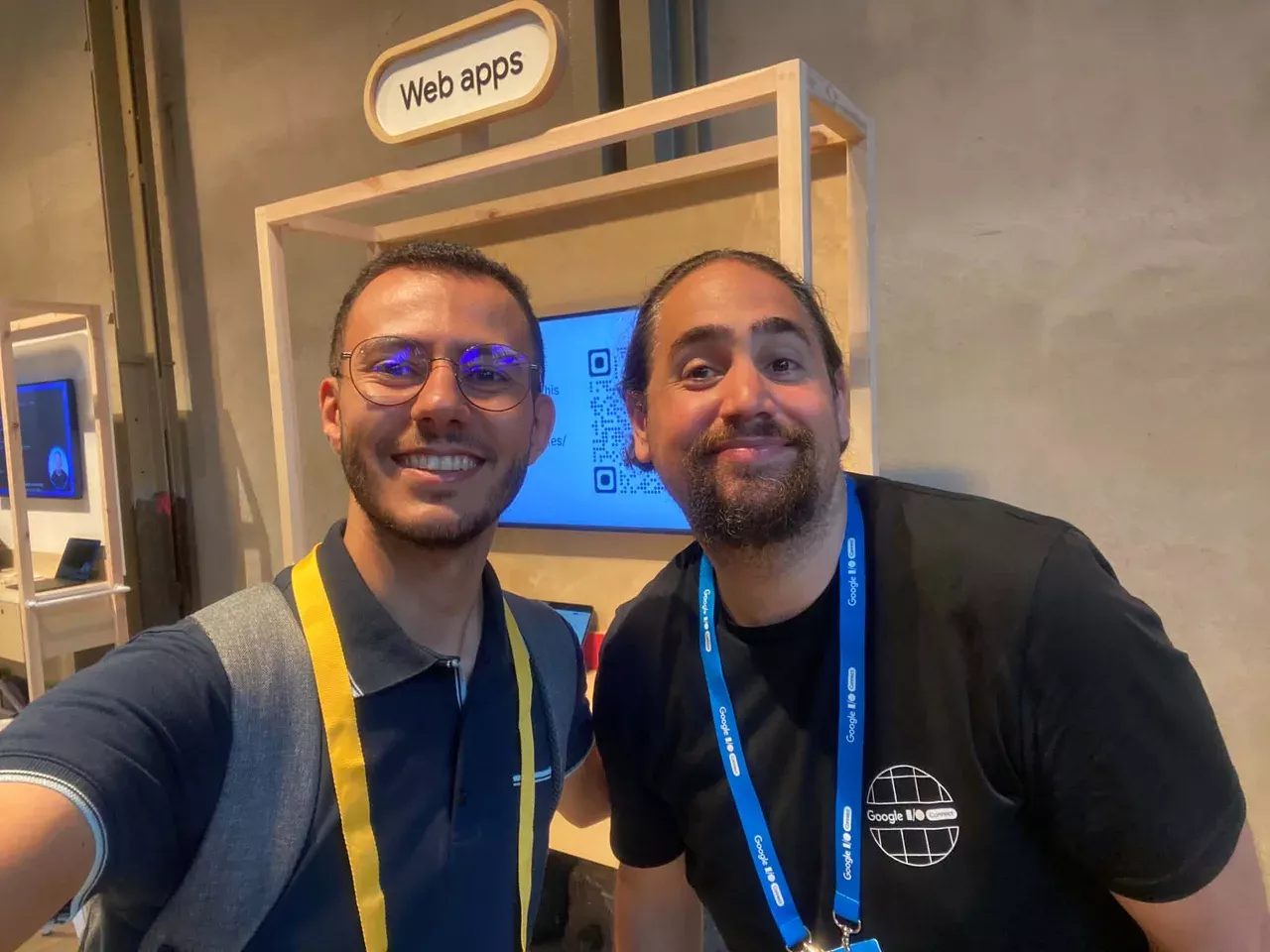
Sam Richard, Senior Developer Advocate on the Chrome team, had the Web apps booth and the question I wanted answered: how far progressive web apps had come for the kind of installable, offline-capable product I had built for a retail client. The answer was further than I thought, and the gaps were exactly the ones he listed. On the web stage, Una Kravets, Jecelyn Yeen, Bramus Van Damme, Matthias Rohmer, Michael Hablich and Katrina Ezis walked through what was new in CSS, UI, JavaScript APIs, tooling and performance, and a panel took audience questions on building powerful web apps with what had been announced at I/O.
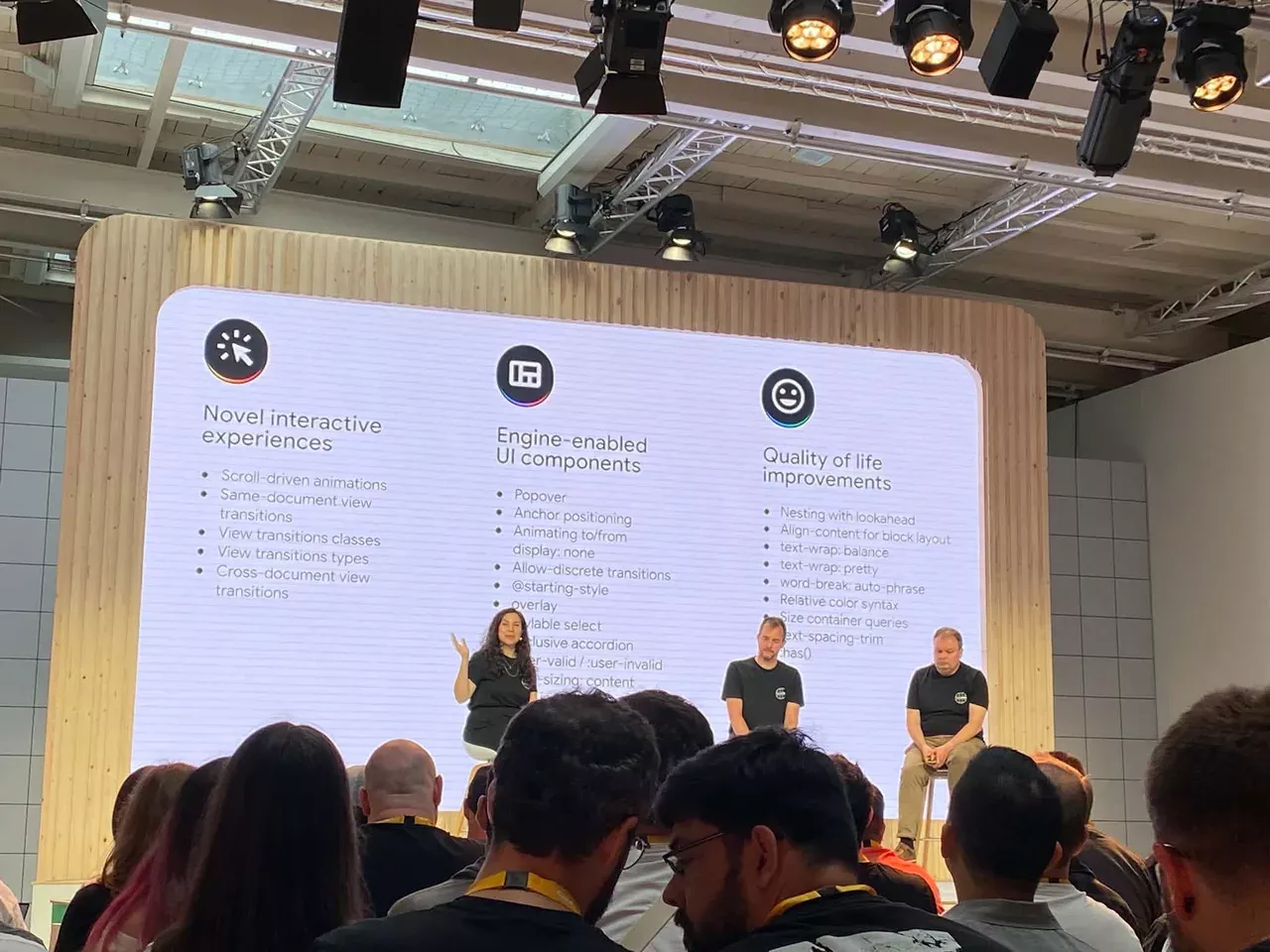
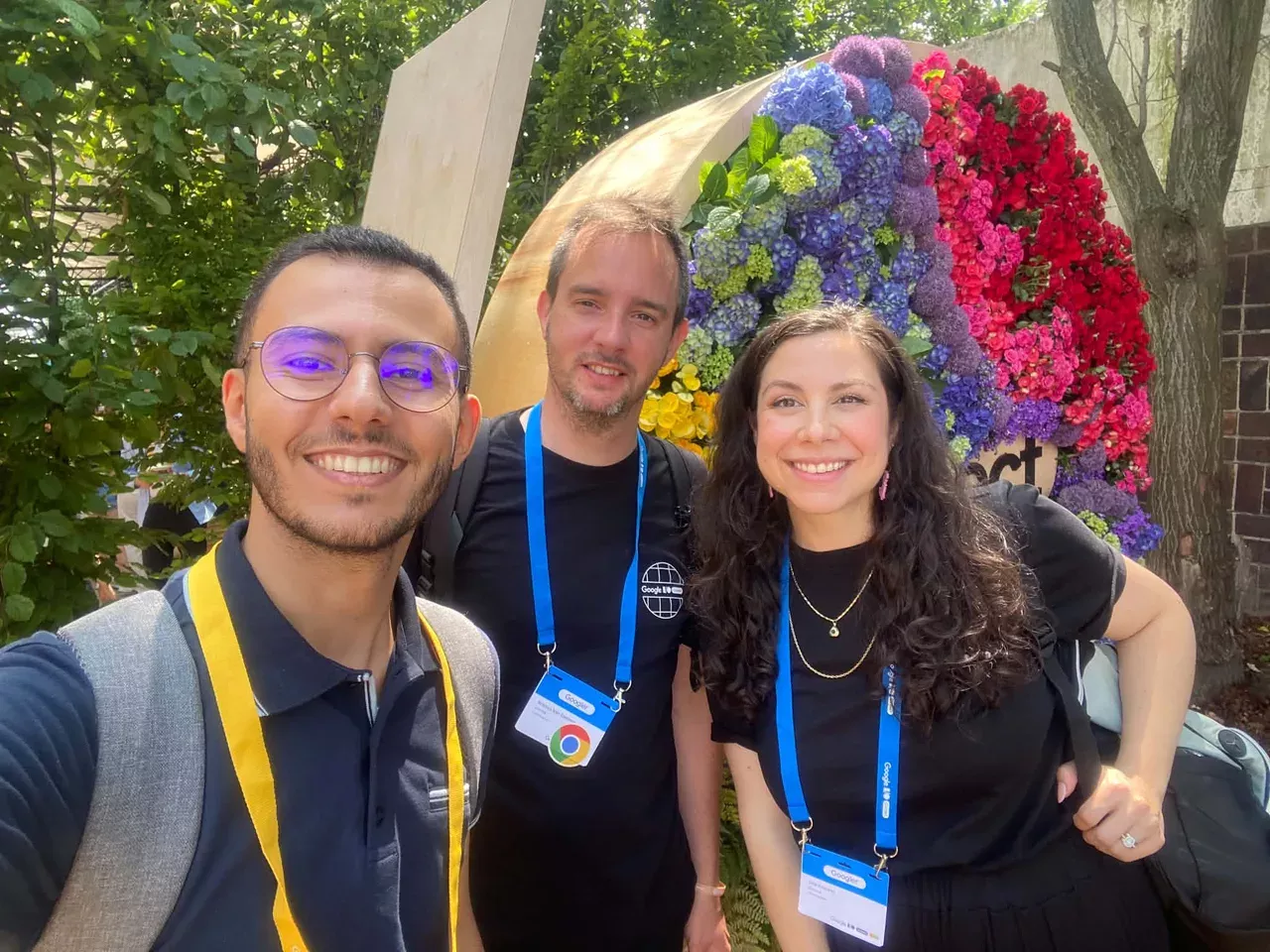
The talk I had circled in advance was "The latest in Web UI" by Una Kravets and Bramus Van Damme. One slide summed up a year of CSS in three columns: novel interactive experiences (scroll-driven animations, same-document and cross-document view transitions), engine-enabled UI components (popover, anchor positioning, animating to and from display: none, @starting-style, the exclusive accordion), and quality-of-life improvements (text-wrap: balance and pretty, relative color syntax, :has(), :user-valid). Several of those went straight into my team's backlog, and :has() got its own article on this blog. I caught them right after the talk for a photo.
Office hours with the Chrome team
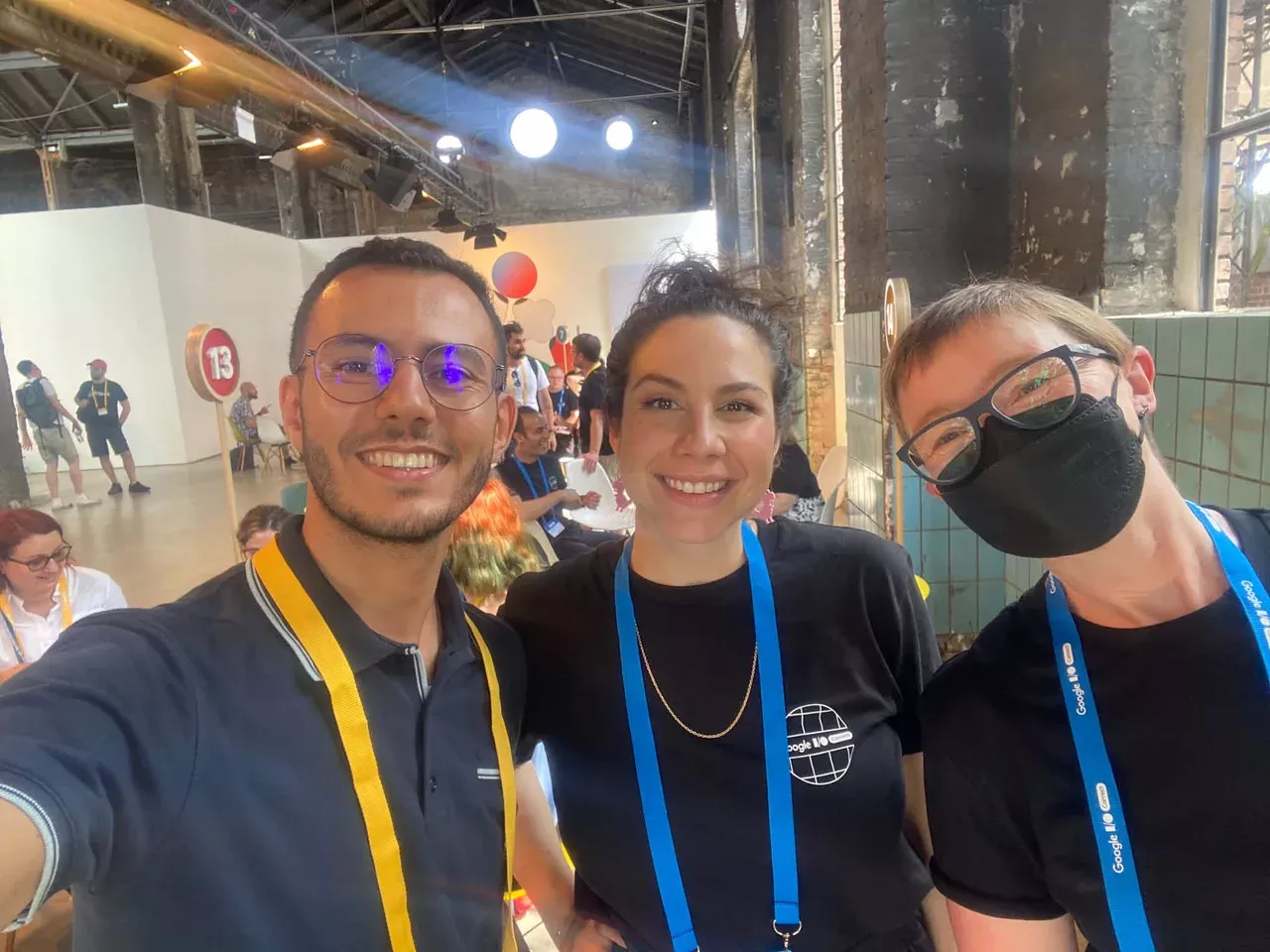
The best hour of the day was not a session. In the office hours, Una Kravets, Staff Developer Relations Engineer, and Rachel Andrew, Developer content lead for Chrome and a CSS Working Group member, explained how a Chrome feature actually ships: how a specification gets written, how Google works with the other browser vendors, how priorities are set between features developers ask for and features the platform needs, and how the teams work internally to keep the developer experience coherent. It is the kind of knowledge that does not appear in release notes, and it changed how I read Chrome announcements. Two years later it also made my own first contribution to Chromium much less intimidating, because I already knew what the review would be looking for.
The Tunisian group
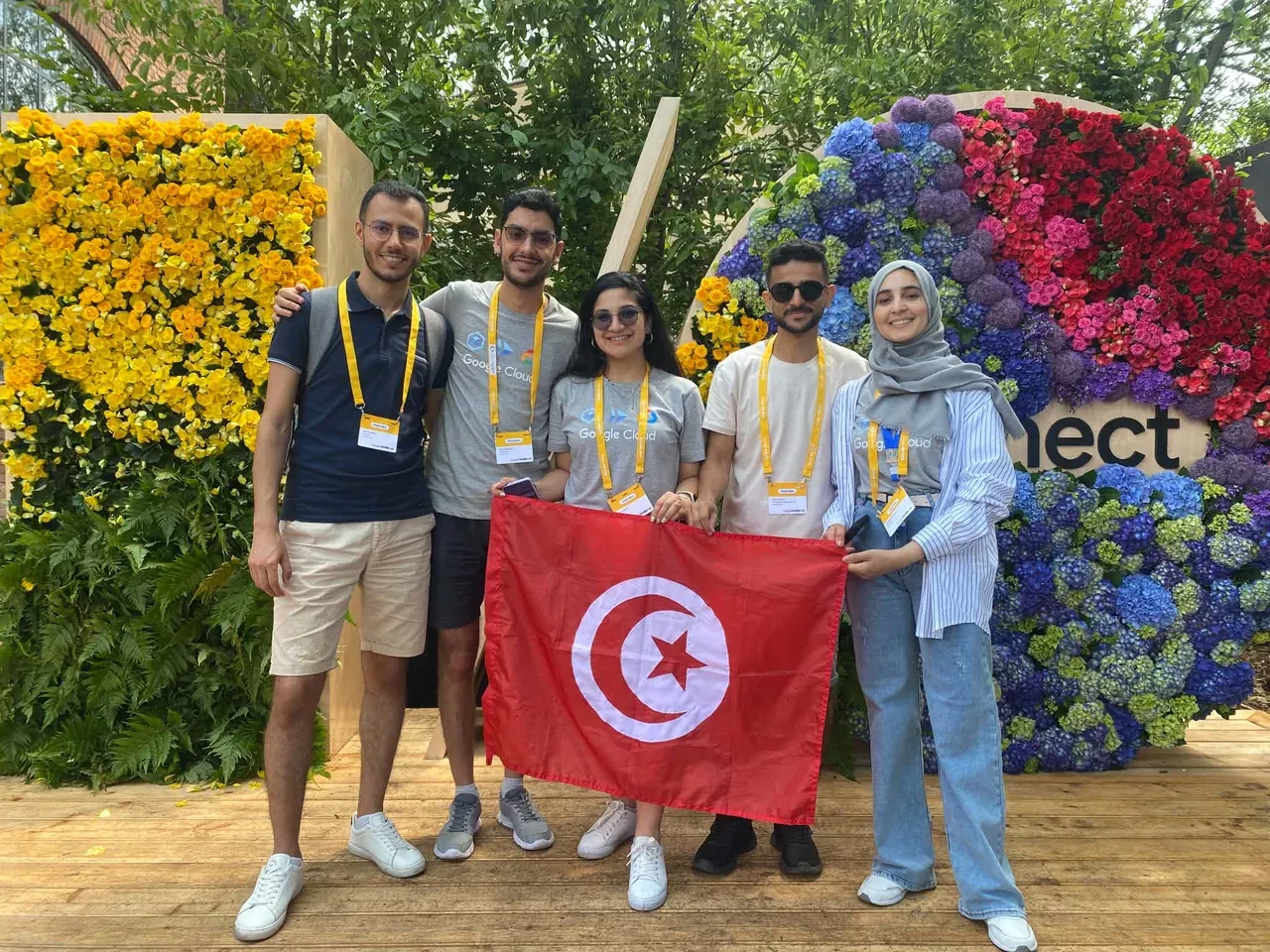
I did not go alone. Several Tunisian developers were invited the same year, and we found each other within the first hour. We went through the sessions together, compared notes on what applied to our own products, and at some point unfolded a Tunisian flag in front of the flower wall, which got more smiles from Googlers than any demo did. The MENA and European communities mixed easily all day, and some of those conversations turned into GDG collaborations back home.
Dinner and the hallway track
Lunch was on the lawn, dinner was with Googlers and developers from the region, and both were where the real exchange happened: what is coming next, what is not working yet, who is building what. If you ever get the invitation, keep the evening free.
What I took home
- A rule for scoping AI features: decide what runs in the browser and what runs on the server before writing any code.
- A realistic picture of PWAs in 2024, from the people maintaining the platform, instead of from conference slides.
- An understanding of how Chrome features move from an idea to a shipped API, which later made contributing to Chromium a normal engineering task rather than a mystery.
- Contacts across the MENA and European communities that I still use, and a Tunisian group that keeps meeting.
Google invited me again in 2025 and 2026. I could not make the 2025 trip, but the 2024 edition is still the reference point I use when someone asks whether these events are worth the effort. They are, for the office hours and the people, more than for the sessions.
Frequently asked questions
What is Google I/O Connect?
A one-day, invite-only edition of Google I/O held in a few regions after the main event. Berlin 2024, on 27 June, gathered developers from Europe, the Middle East and Africa for keynotes, sessions, demos and office hours with Google engineers and developer advocates.
How do you get invited to Google I/O Connect?
Google sends invitations to developers it already knows through its programs: community organizers such as GDG leads, Google Developer Experts, and people active in its developer platforms. There is no public registration; being visible in a community is the practical path.
Is Google I/O Connect worth attending?
For the sessions alone, most content is also published online. The value is the office hours and the hallway conversations: direct answers from the people who ship Chrome, and contacts across the region that keep paying off afterwards.